Although we don’t often think about it, we are attracted to music because of its well-thought-out structure – intro, verse, chorus, etc. These elements, among others, make songs tell stories in an interesting way, evoke emotions, and make them memorable.
Similarly, in video games, level design influences player engagement and perception. Taking inspiration from song structure can be an effective way to create memorable stages in games.
In this article, I will show the similarities between music and level design and demonstrate the advantages of this approach.
song sctructure
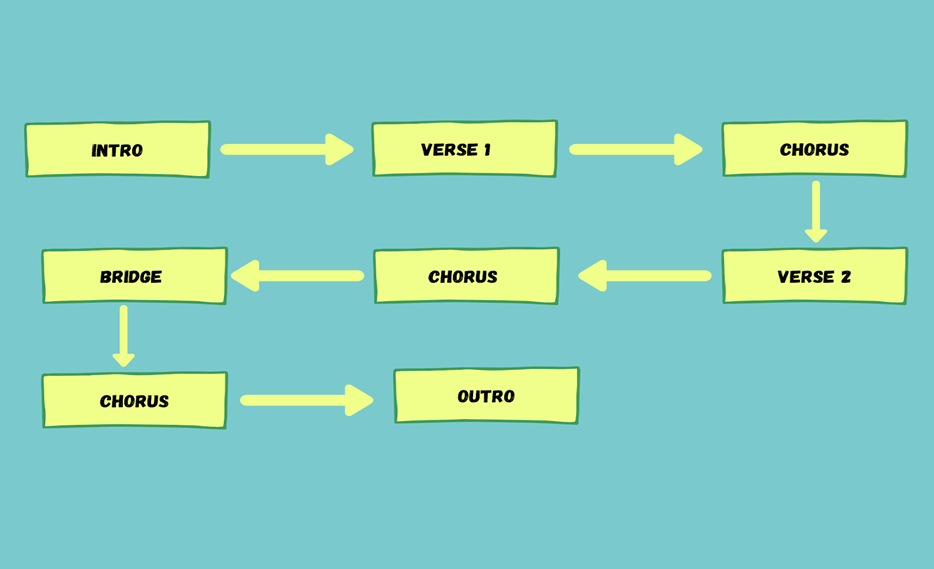
To begin with, let’s describe the basic elements of which songs are composed:
intro The goal is to establish the rhythm, tempo, melody of the song and introduce the singer or singers’ voices.
verse The verse of a song is a chance to tell a story.
pre-chorus Optional, a pre-chorus helps build the impact of the chorus.
chorus The chorus is the culmination of all the big ideas in the song.
post-chorus Also optional, can be used as a transition to verse.
bridge The bridge usually appears only once near the end of the song, usually between the second and third chorus. It is a change of pace in the song. It adds variety and freshness.
outro The end of the song.
examples
Now that we’ve covered the basics, let’s look at real examples, starting with a song.
I’m a big fan of Linkin Park, and their music actually inspired this idea. However, for this article, I chose Sia’s “Elastic Heart”, which offers a more neutral example.
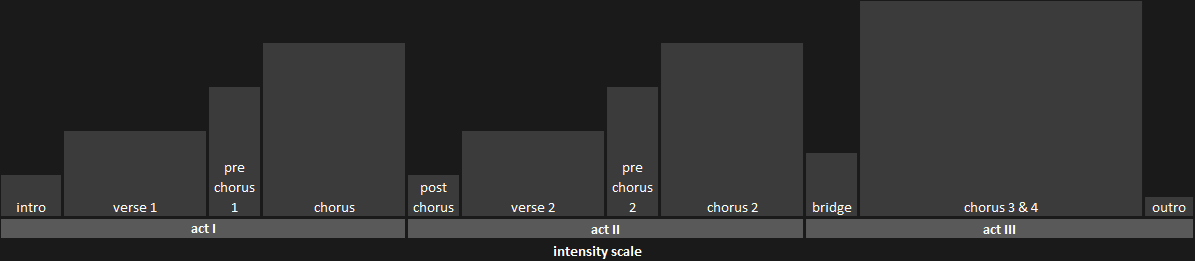
For this analysis, we can divide the song into three acts, each ending with a strong climax (chorus). The arrangement creates a varied pace with a gradual increase in intensity. The double chorus near the end makes the finale even more impactful.
Sounds a bit like a three-act structure, doesn’t it?
Now that we have our first example, we need a second one to compare it with. Let me introduce our second guest:
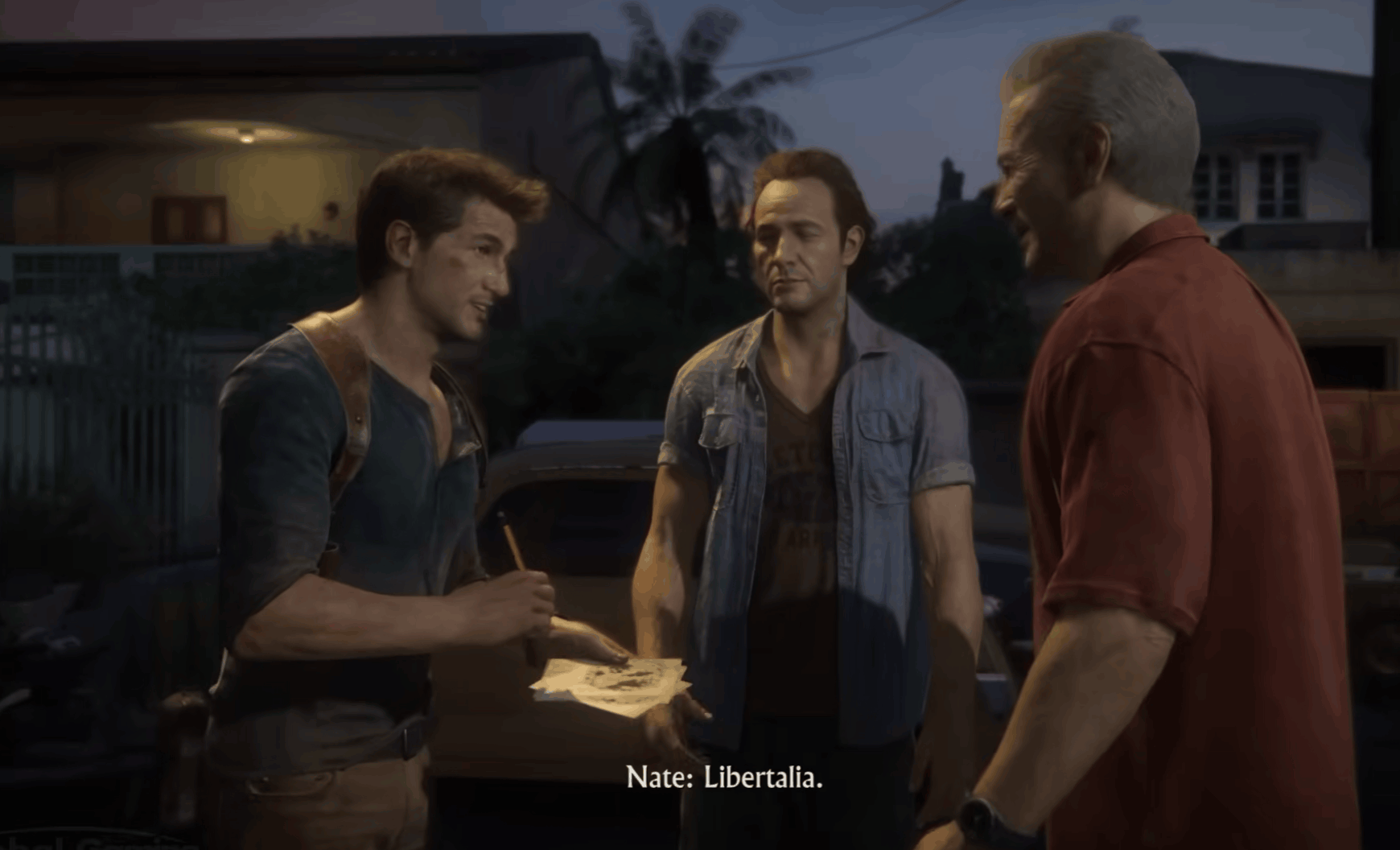
Uncharted 4: A Thief’s End – Chapter 11: Hidden in Plain Sight
Just as songs are built around verses, choruses, and other sections, game levels are made up of gameplay beats that shape the player’s experience.
pacing analysis
Let’s take a closer look at how the level unfolds. Each gameplay beat is highlighted on the chart, showing how the intensity changes throughout the chapter.
intro
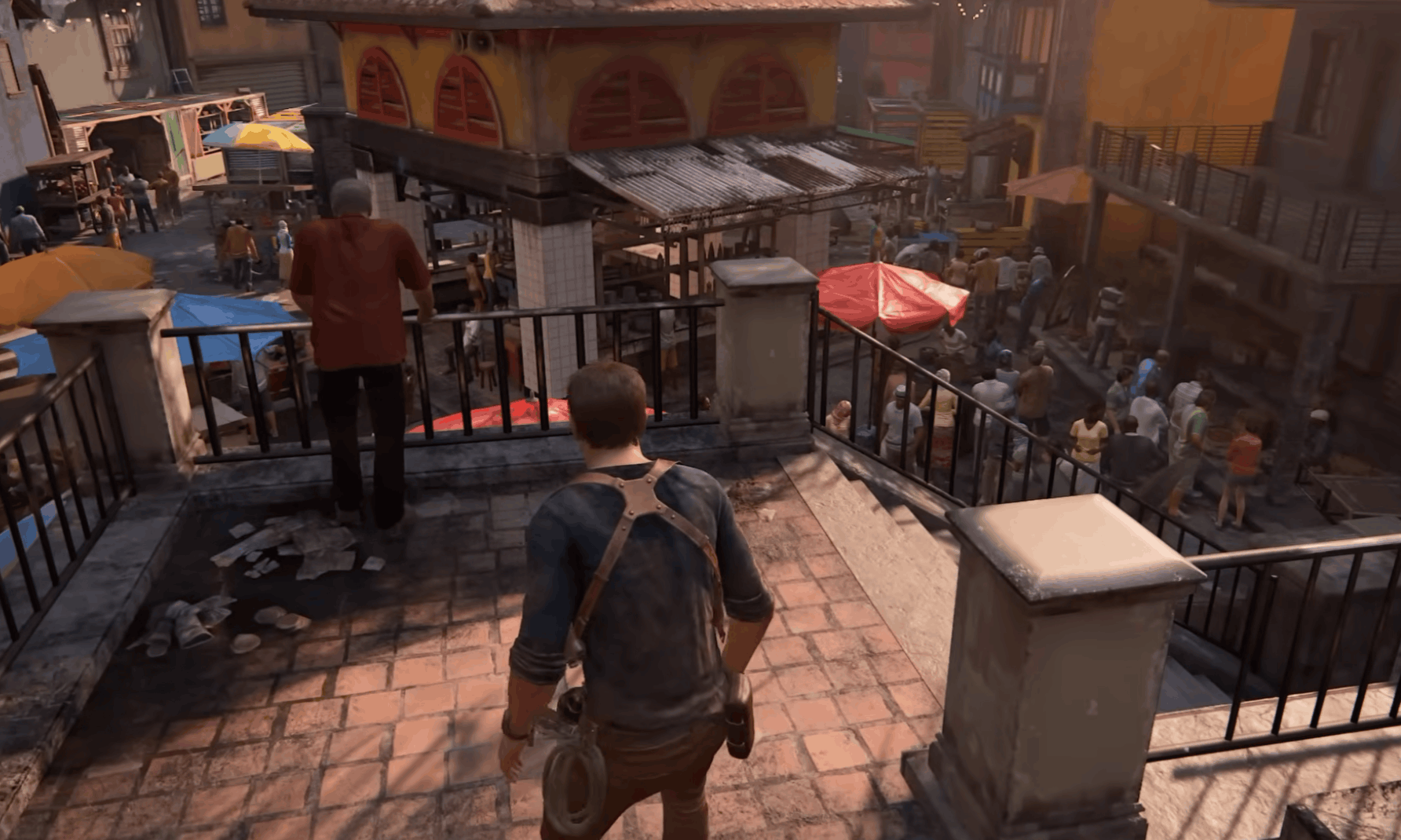
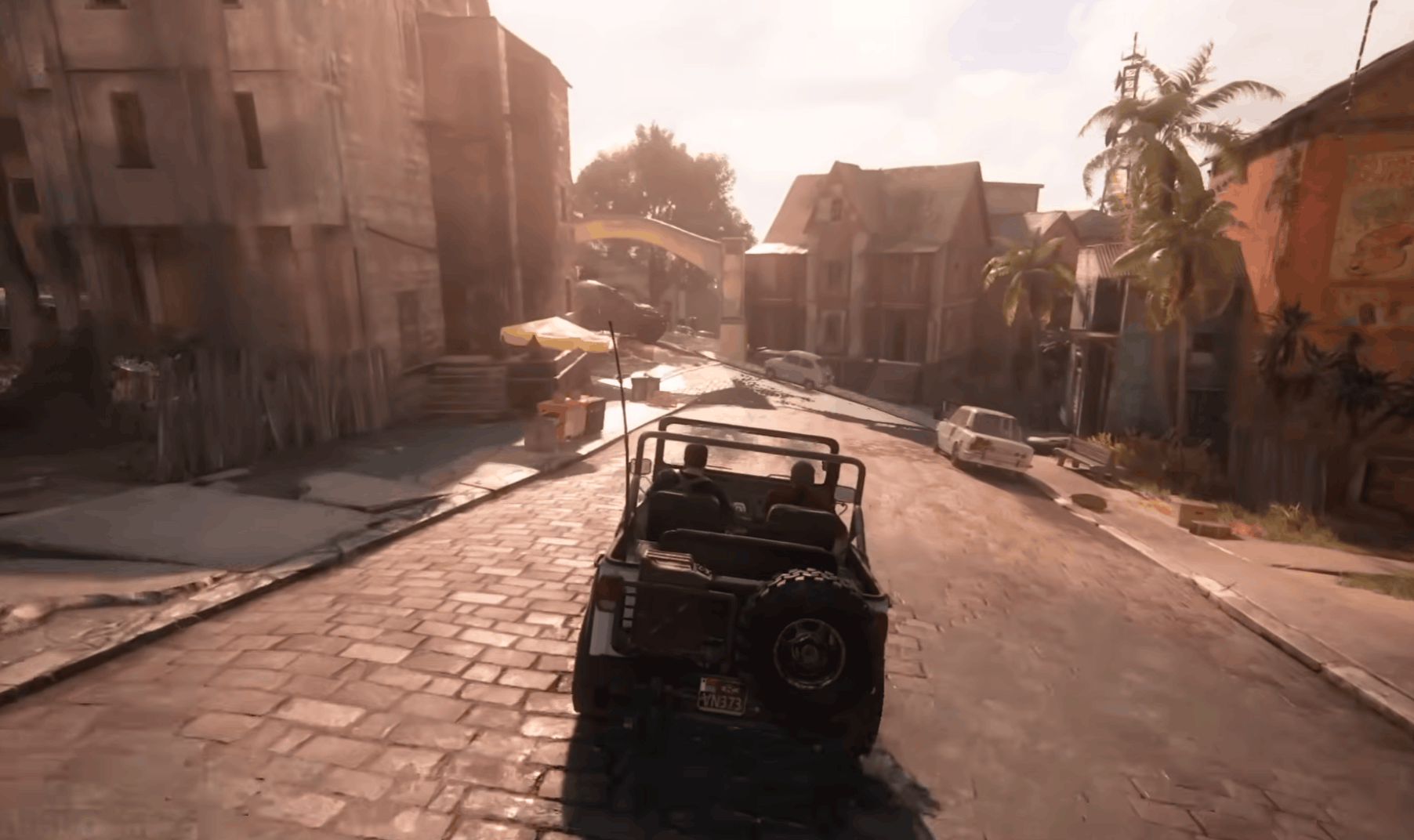
Introduction to the world. The chapter begins in a crowded city full of stalls, locals and colorful architecture.
Nathan and Sulli walk through the market with dialogues that introduce the context of the mission.
verse
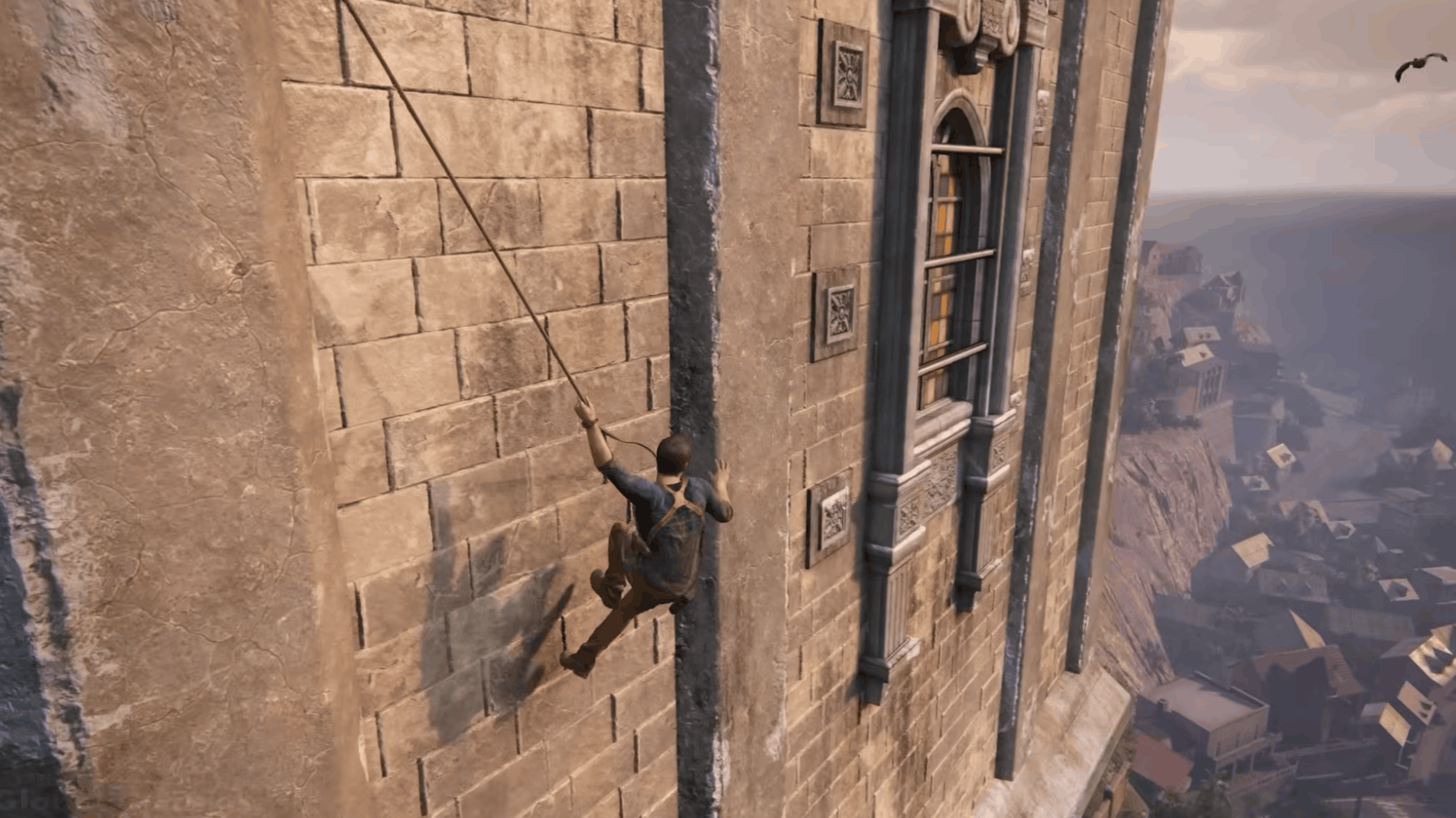
After reaching the tower, Nathan climbs the structure and begins to solve the puzzle, trying to activate the mechanism.
The pace is moderate, giving the player time to plan his next move.
pre-chorus
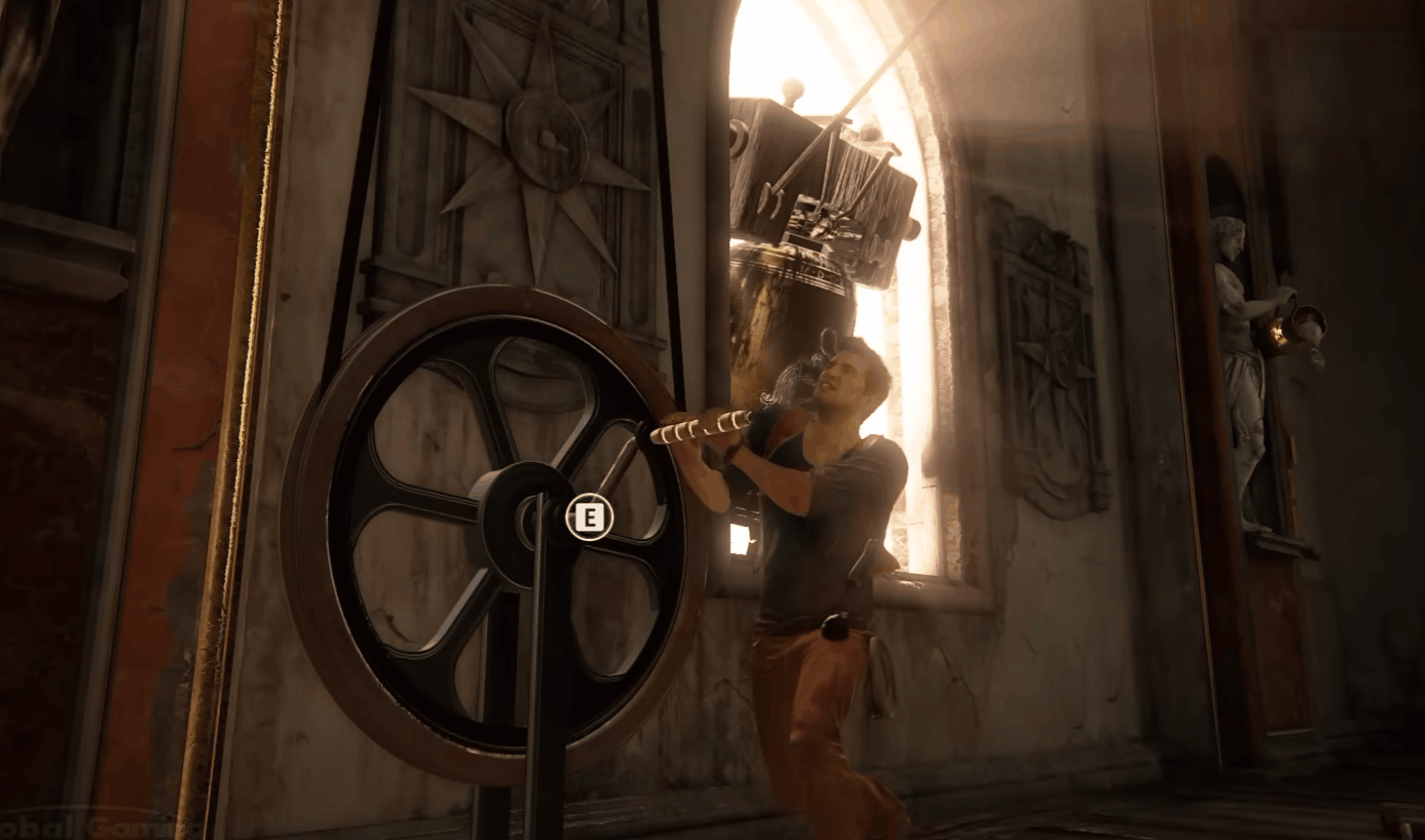
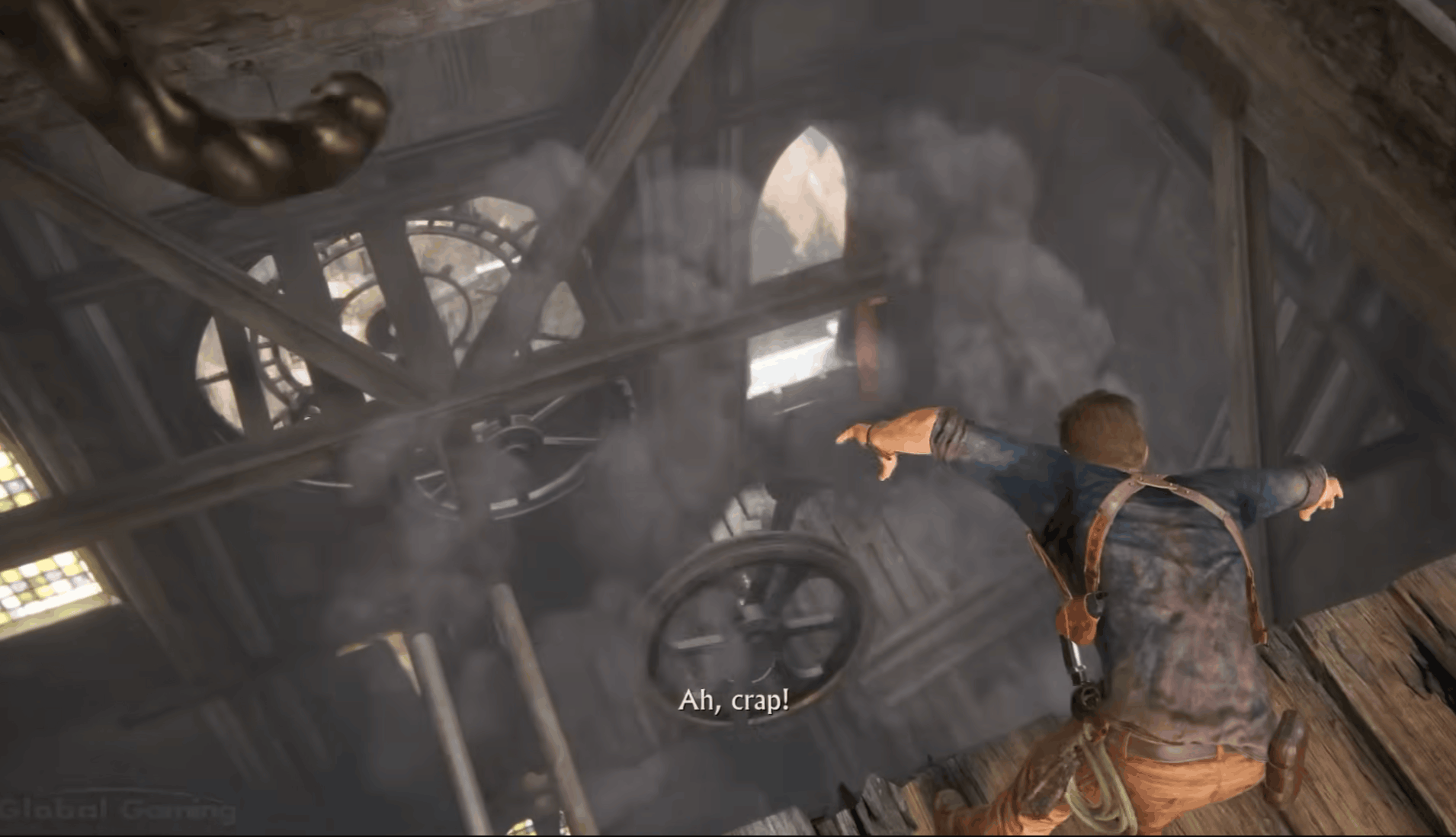
Eventually the mechanism breaks down, forcing Nathan to take a risky swing at the bell.
The sense of insecurity is heightened.
chorus
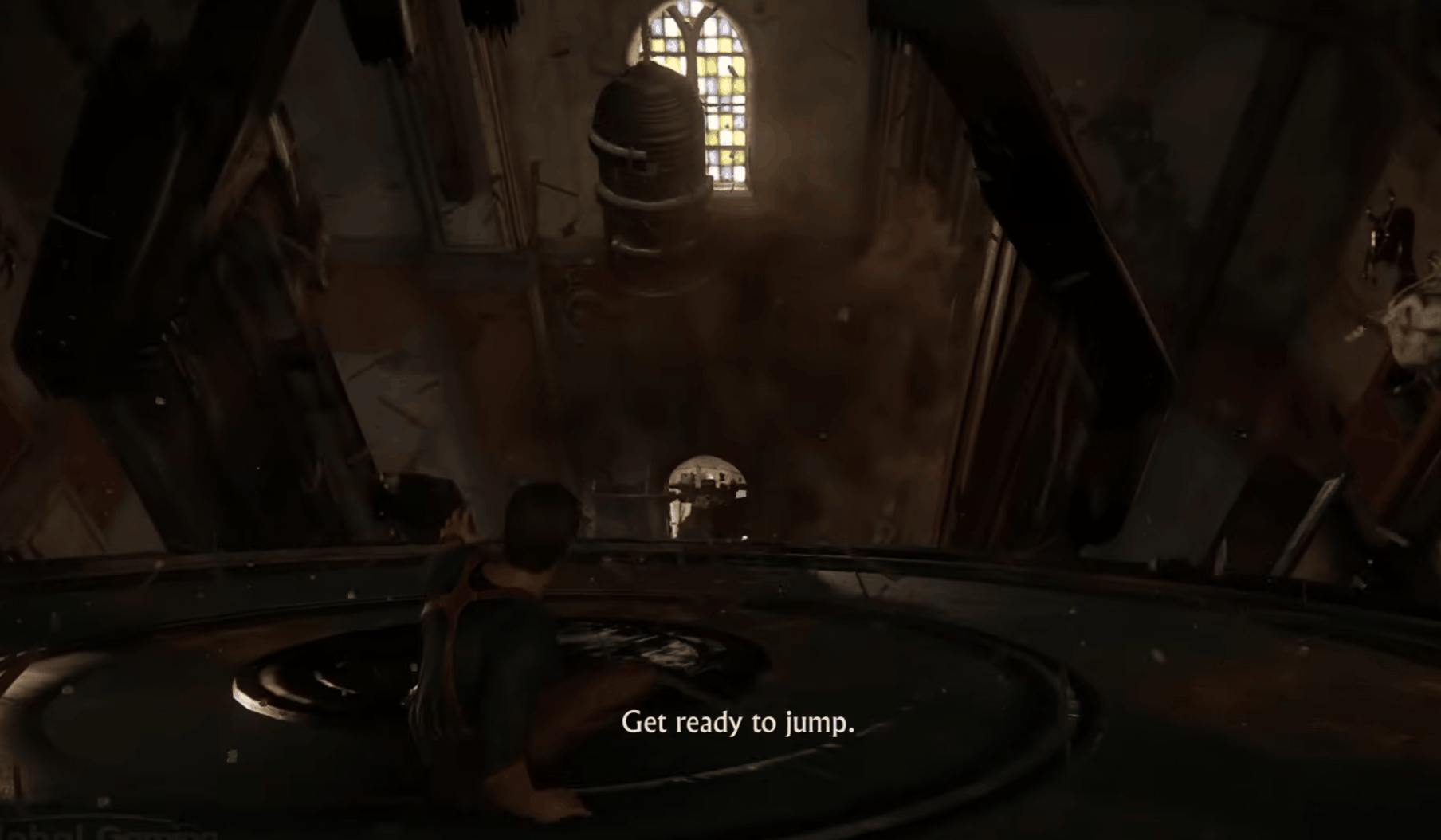
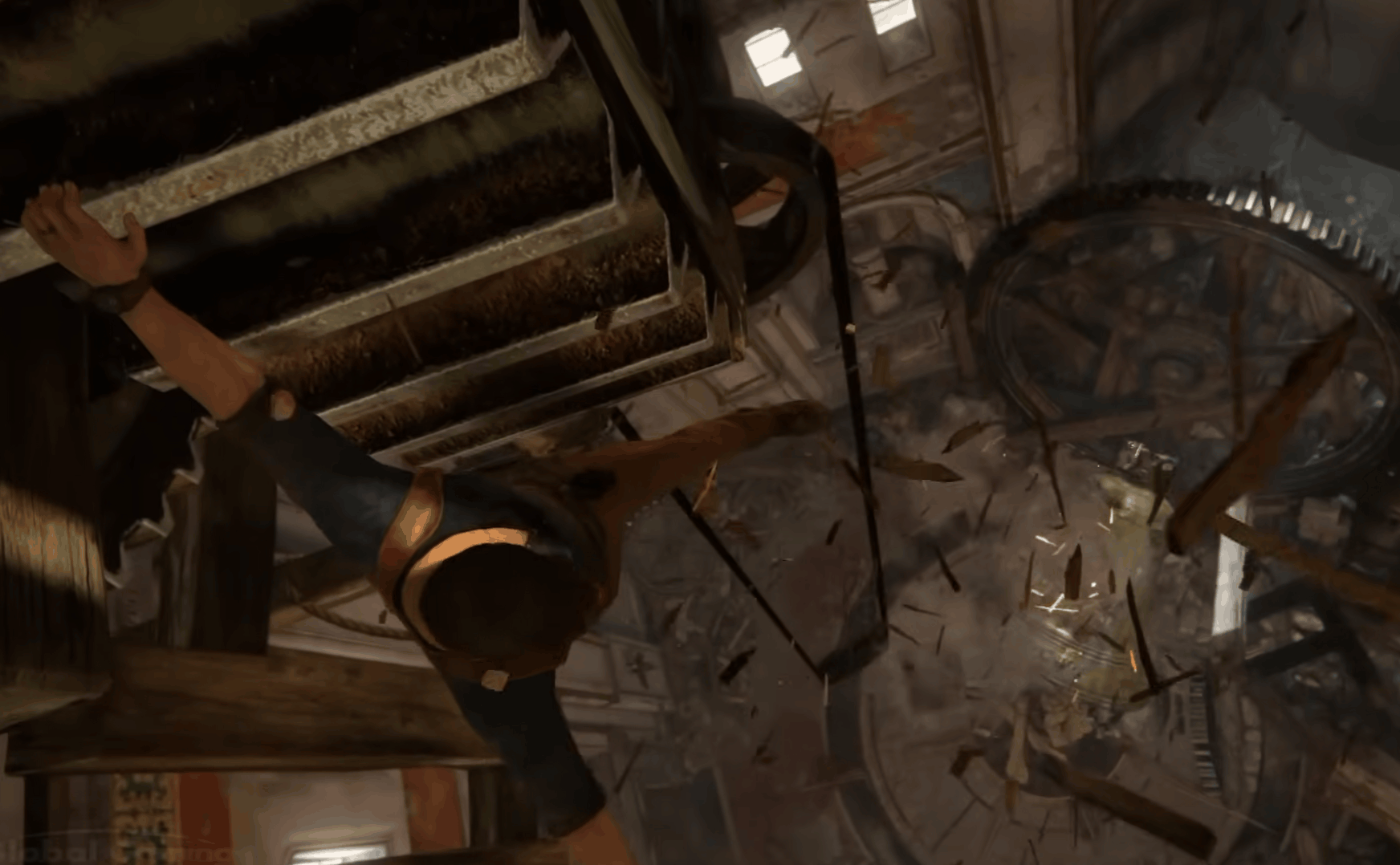
Unfortunately, the bell falls and Nathan tries to save his life by grabbing anything he can.
The action speeds up. The player must react quickly to save his life.
post-chorus
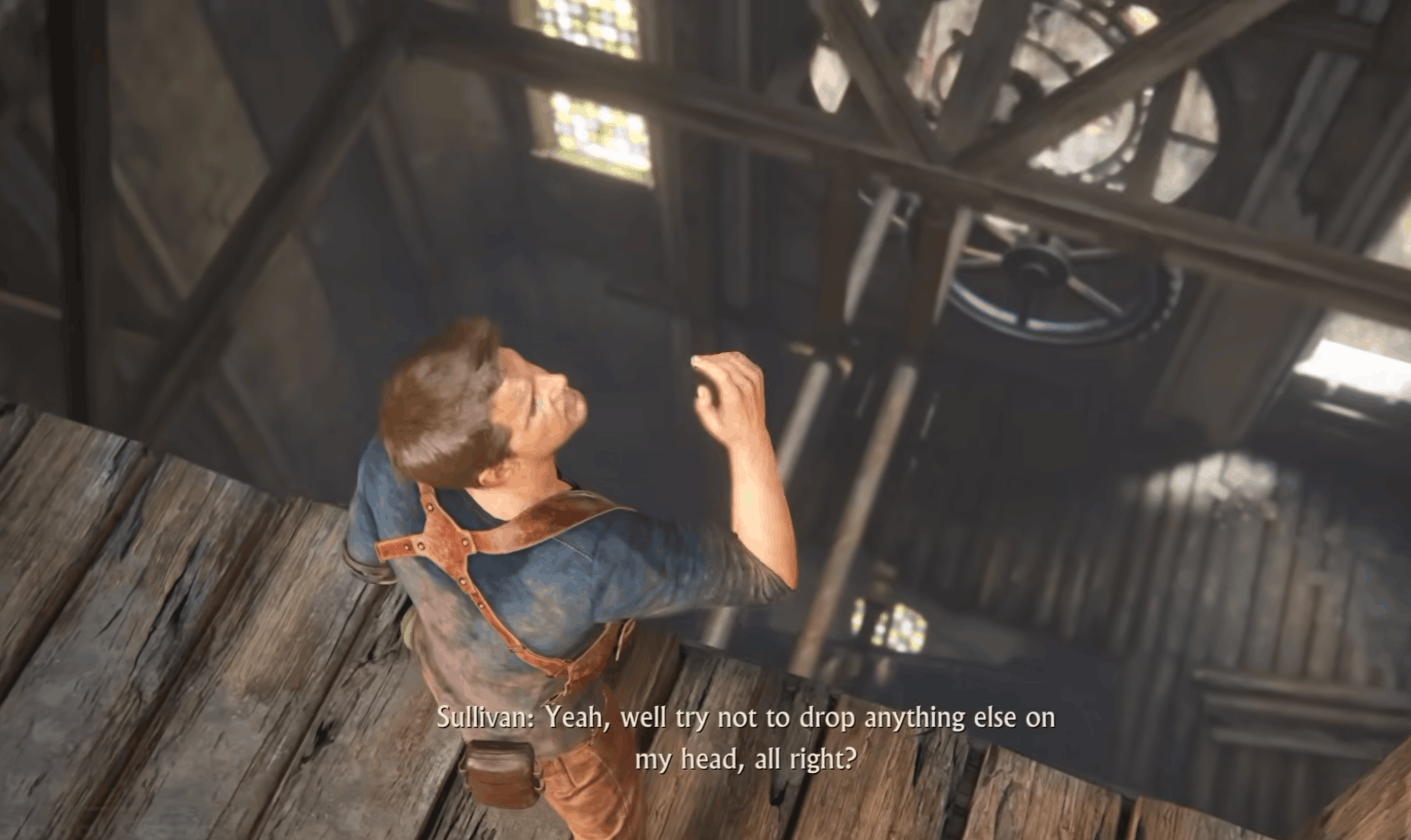
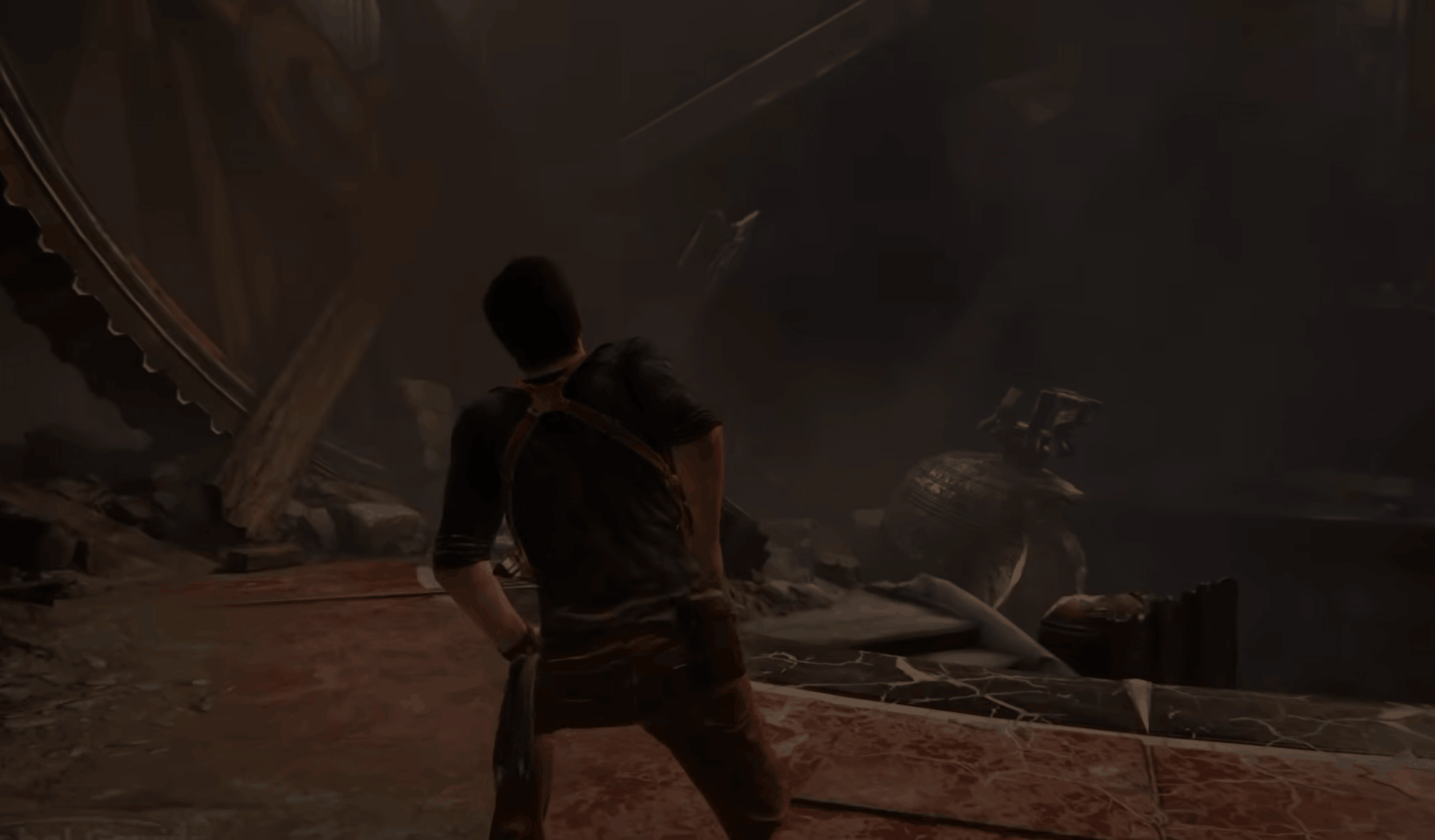
Nathan luckily escapes with his life and quickly recovers from his fall. Elements that fell to the ground with him reveal the entrance to the tower’s underground.
The pace has slowed back down.
verse 2
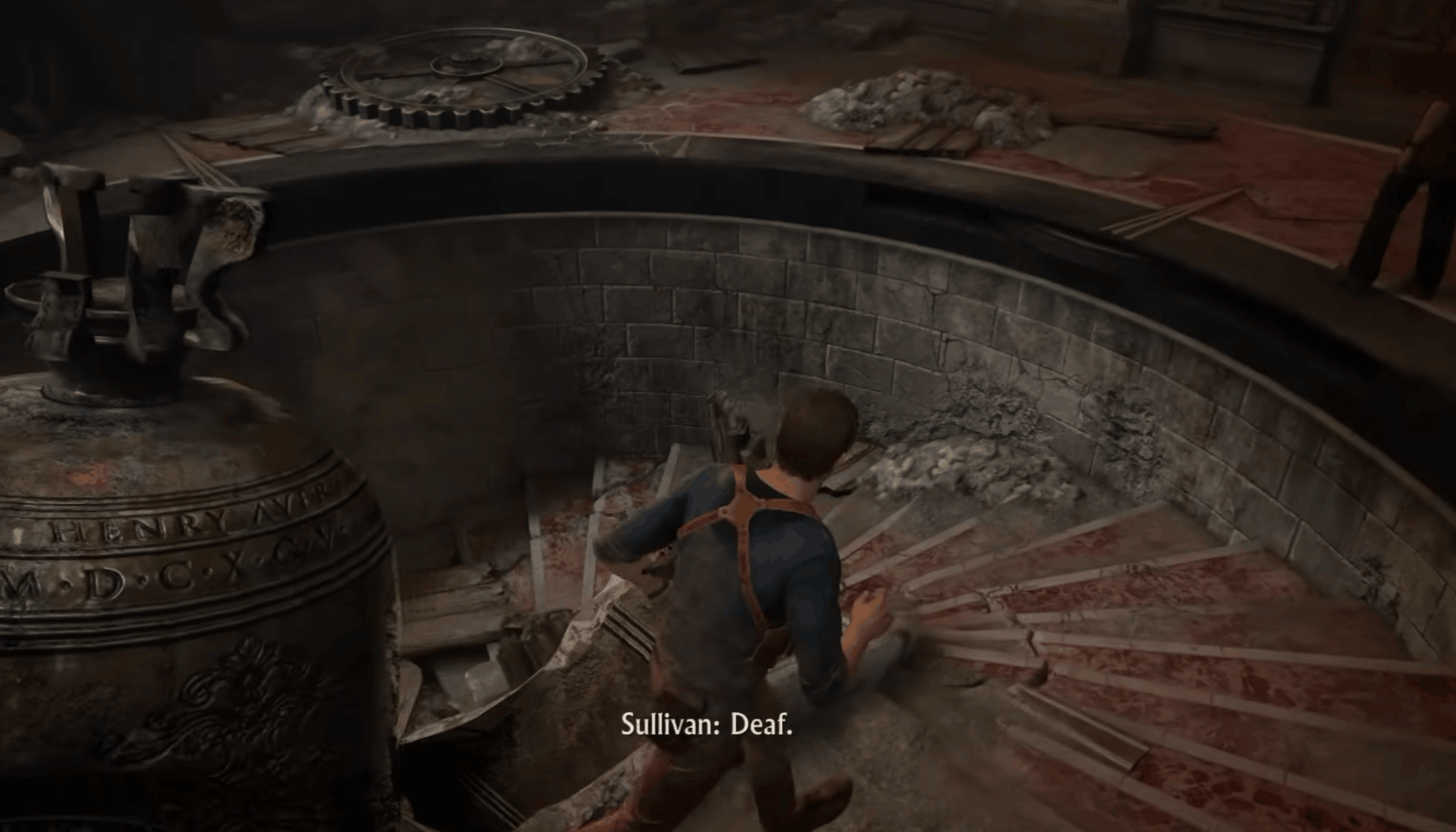
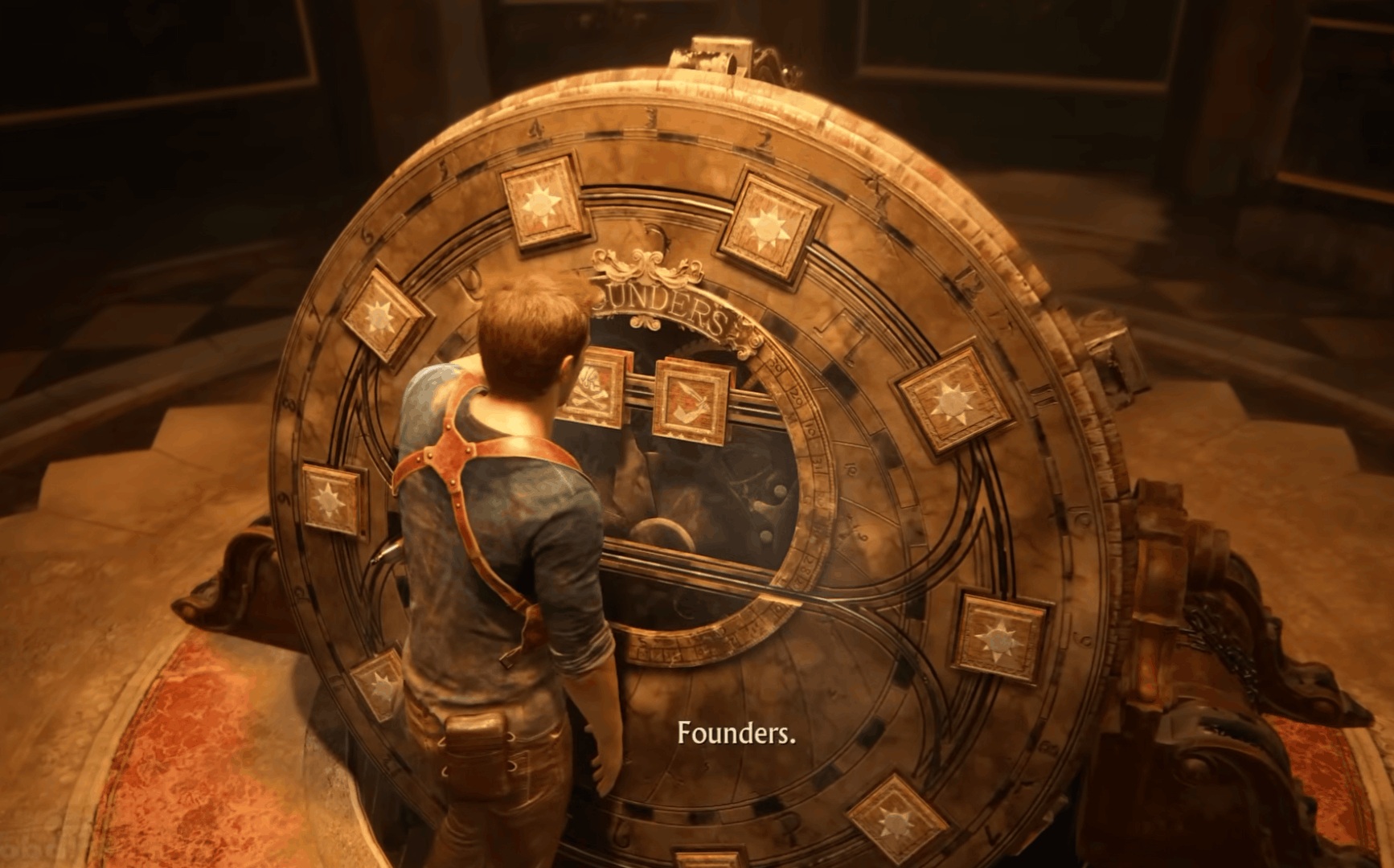
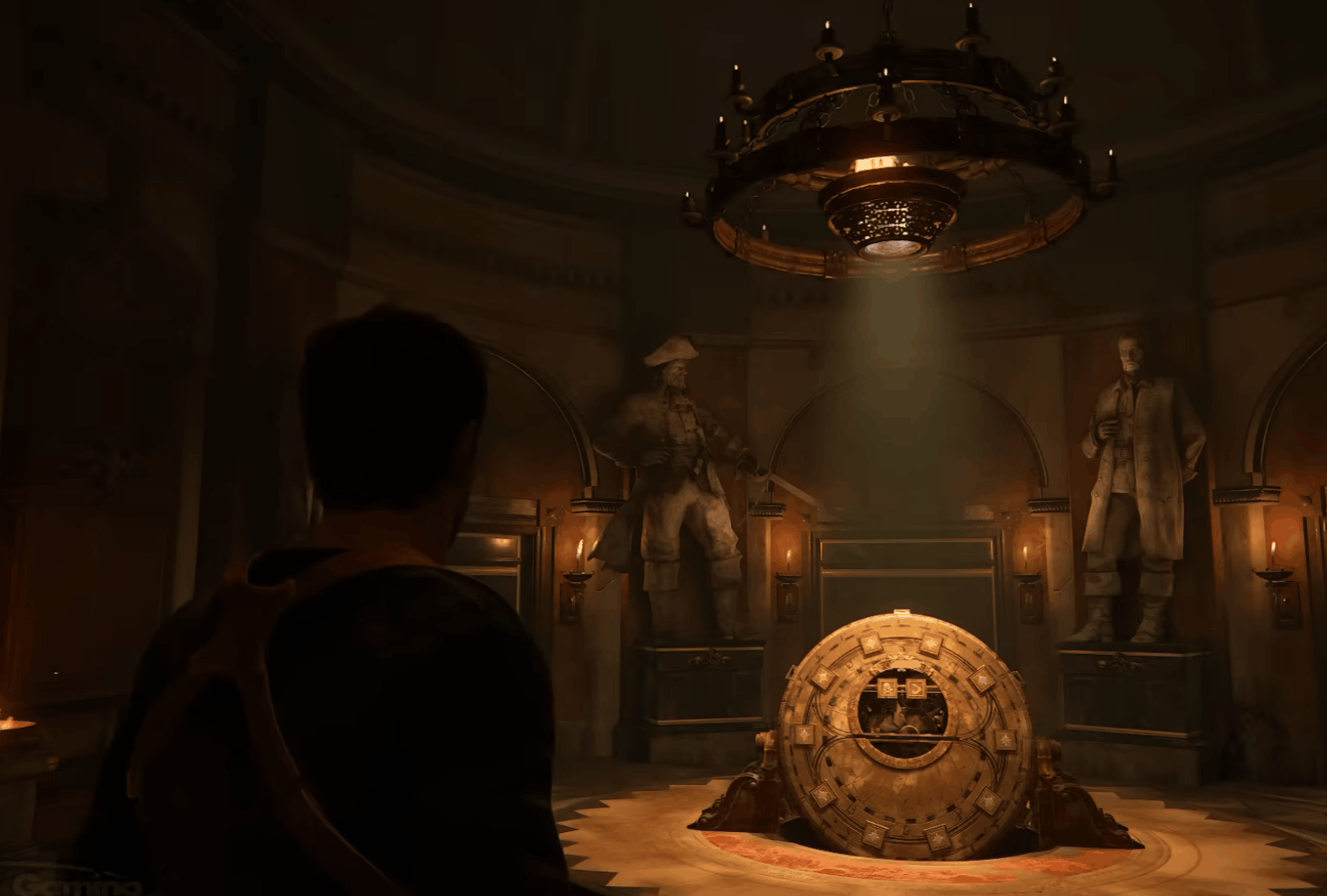
Nathan and Sulli follow the newly discovered passage and find a room with another puzzle. They discover the location of the treasure they were looking for.
The narrative part combined with the puzzle solving dominates.
pre-chorus 2
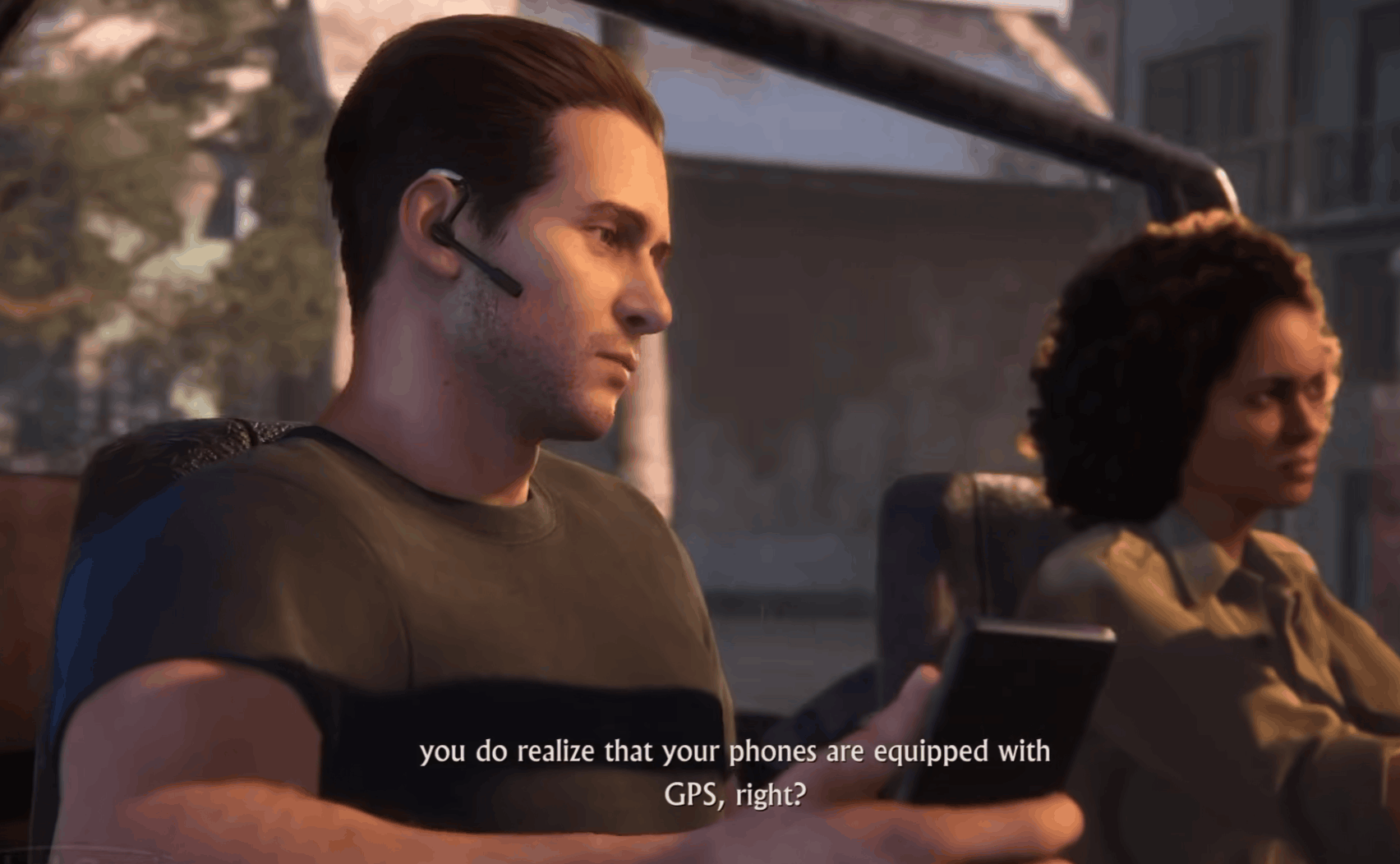
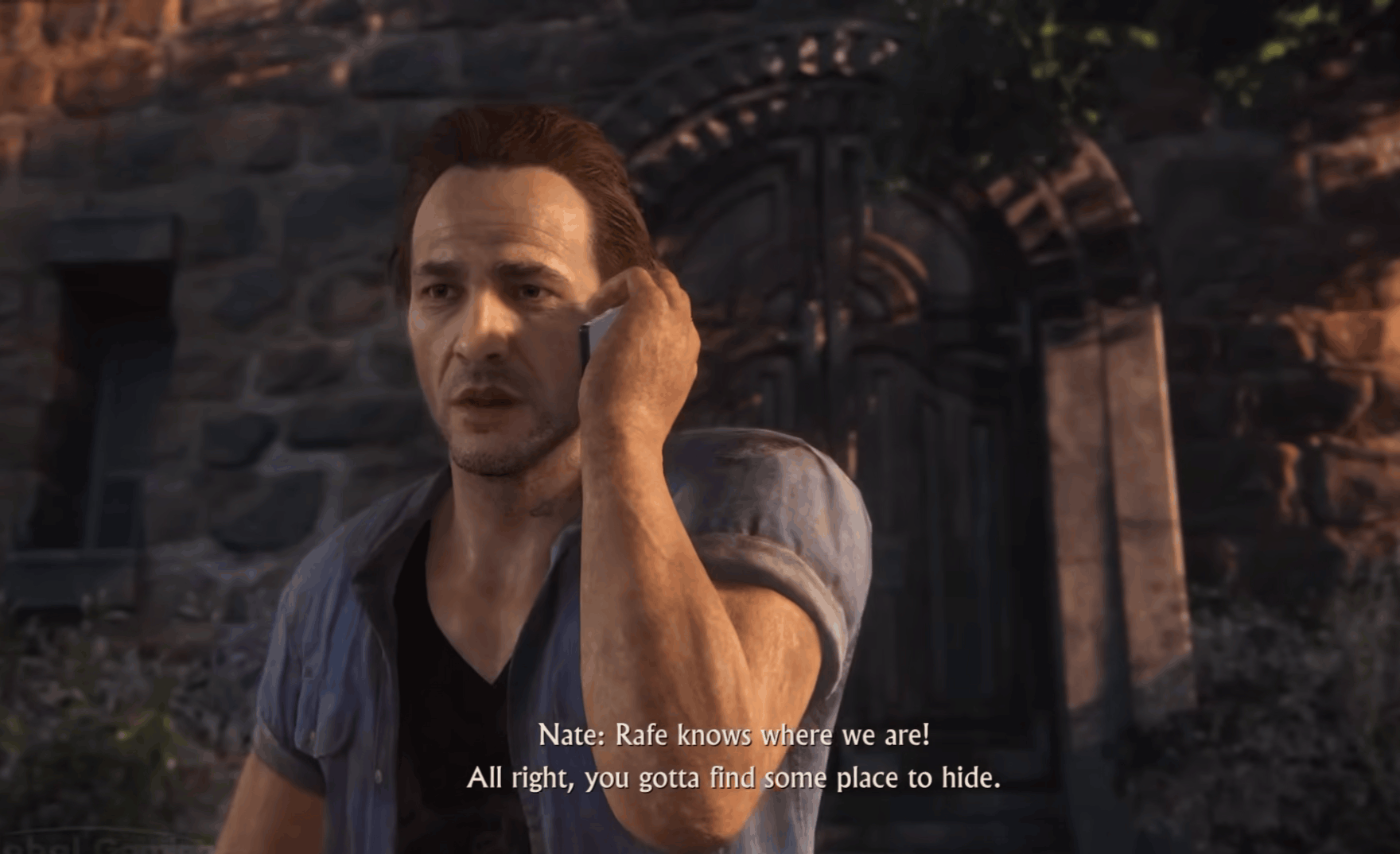
Soon after, we have a scene where Rafe calls Nathan and tells him that he intends to get to the treasure before him.
The cutscene foreshadows the upcoming conflict and encourages the player to follow the storyline further.
chorus 2
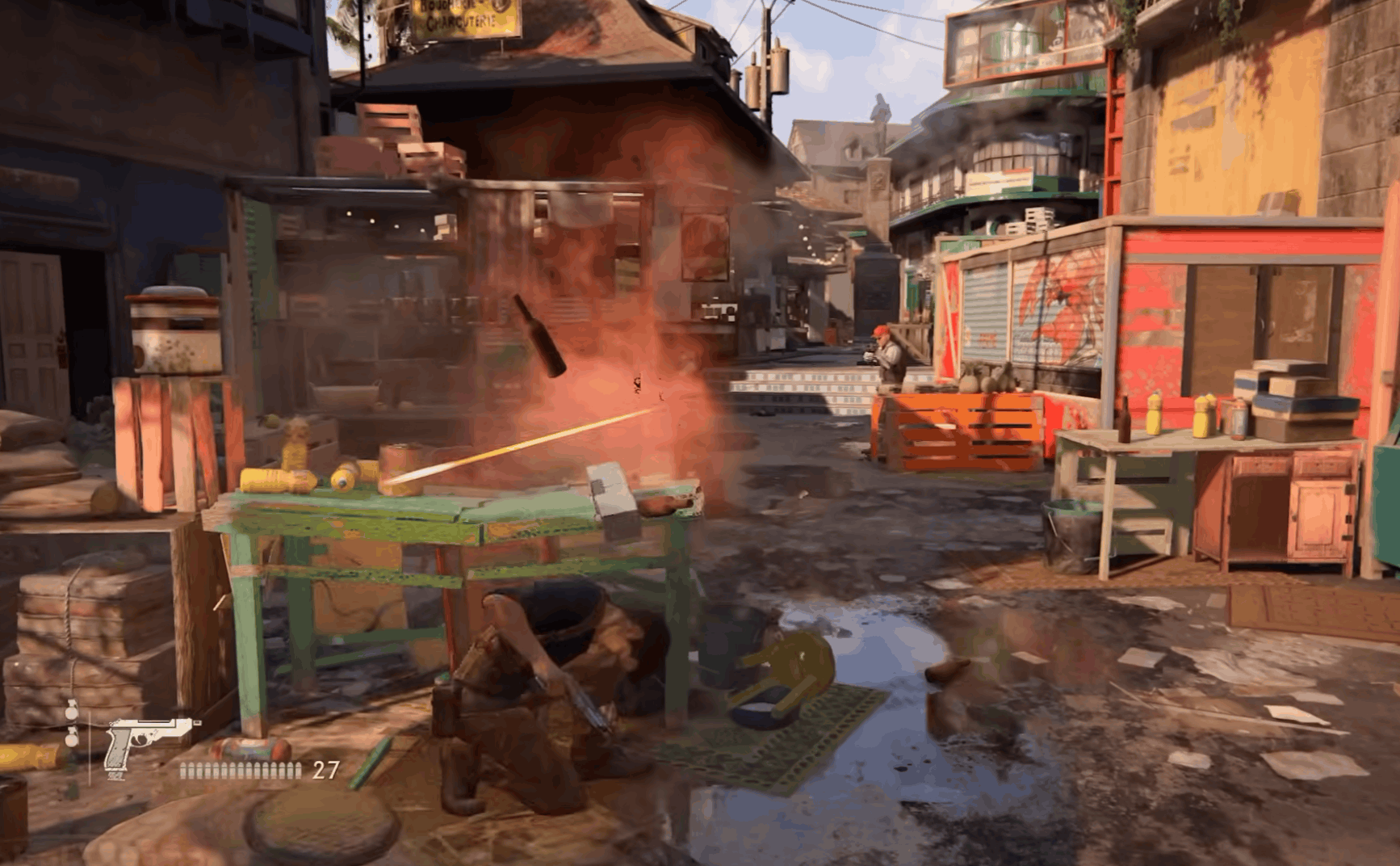
Nathan and Sully leave the tower. After a short while they are attacked by waves of enemies. The overwhelming force of the enemy makes them flee.
The pace goes into high gear again.
bridge
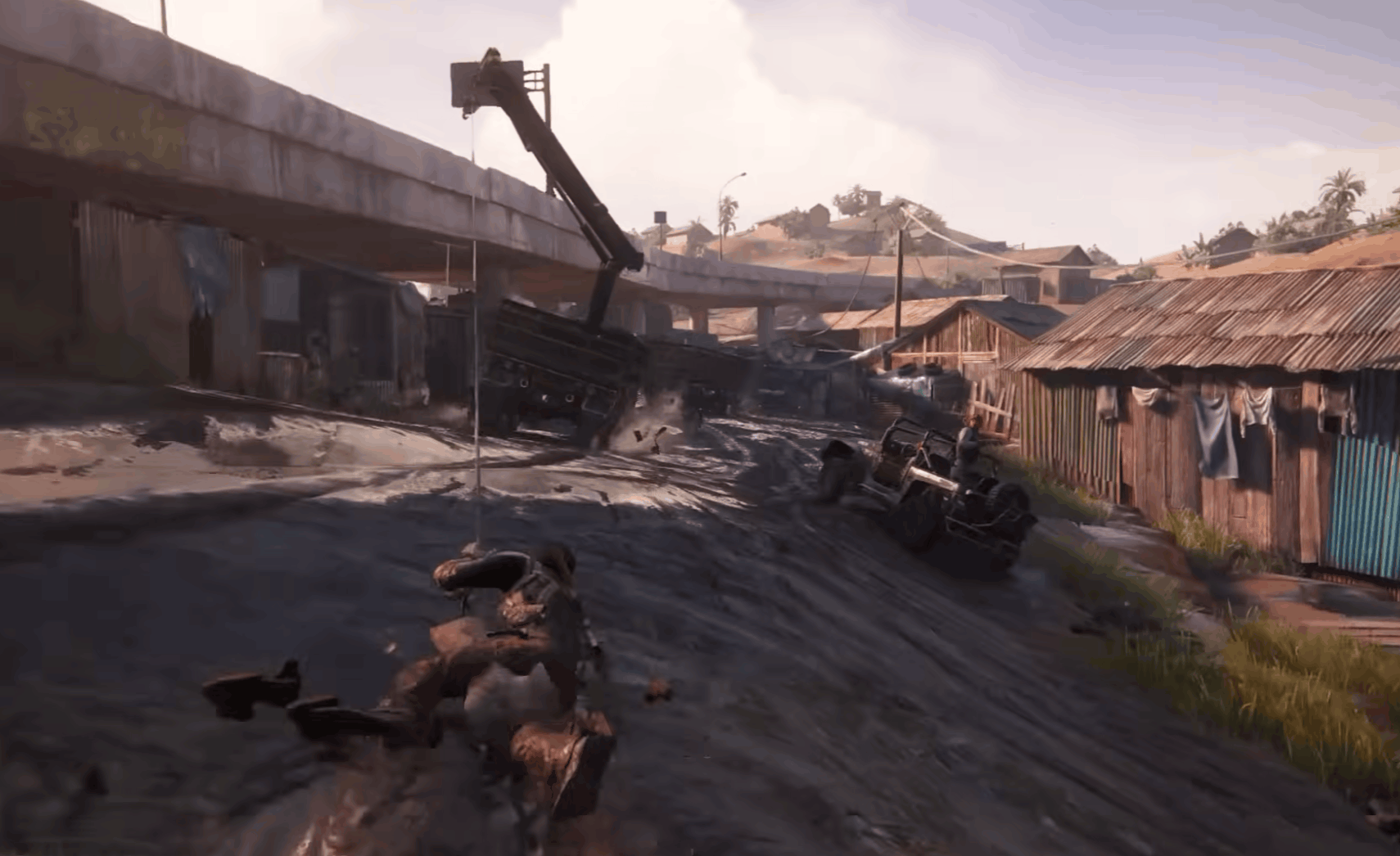
During the escape, Nathan abandons the vehicle he has been driving so far and grabs onto the crane with a grappling hook. This leads to a short sequence where Nathan is pulled by the vehicle.
The gameplay changes temporarily, making the sequence more interesting.
chorus 3
After the “pull” sequence, Nathan manages to get the vehicle and continues the fight. His brother Samuel also shows up and helps him fight the enemies.
The pace is almost at its maximum.
chorus 4
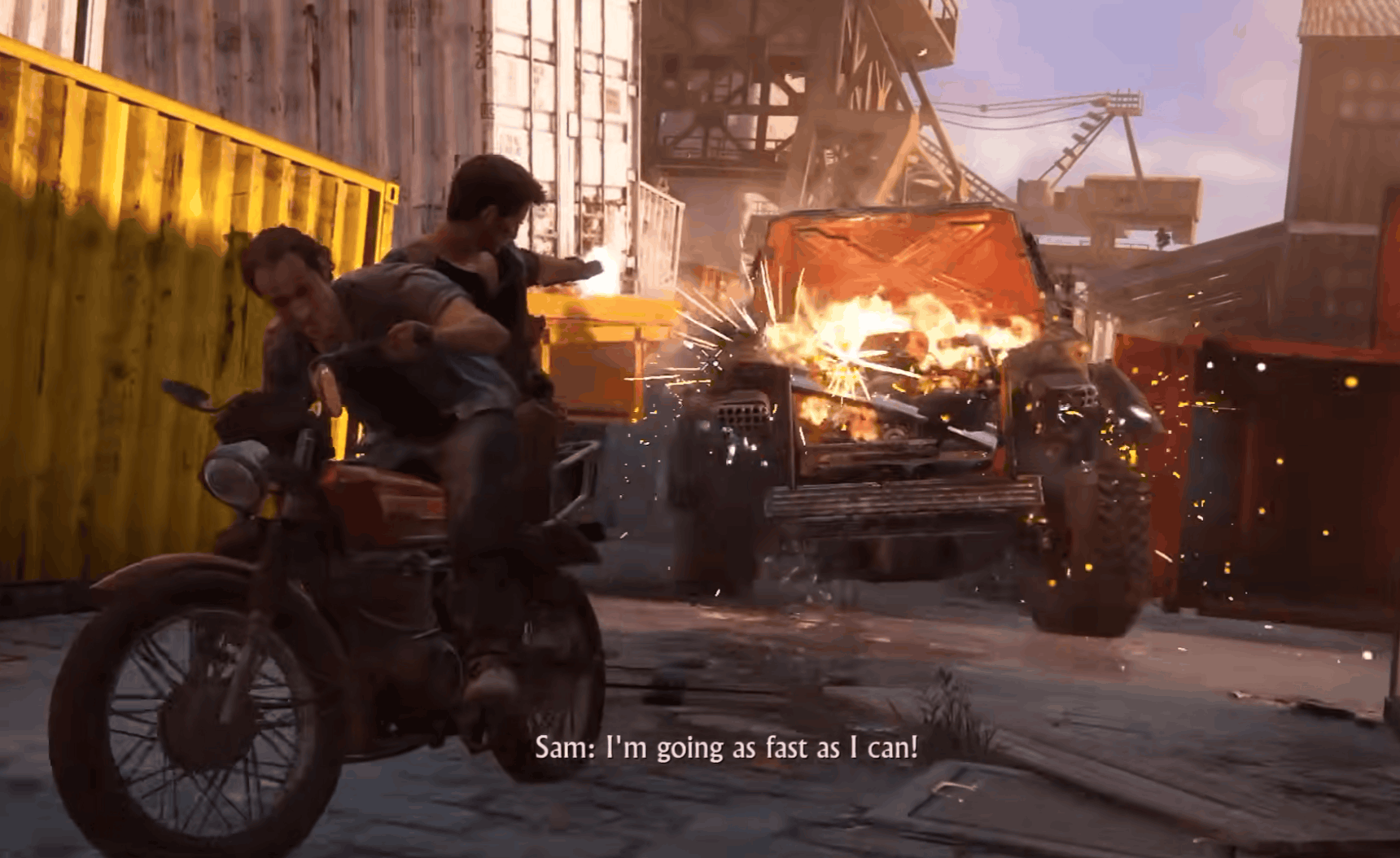
Nathan is hit by an armored vehicle. Trapped under a burning jeep, he must get out as quickly as possible. After a short sequence, Samuel arrives and together they begin to flee from the vehicle.
The pace reaches its highest level and the player must constantly shoot at the pursuing vehicle eventually destroying it.
outro
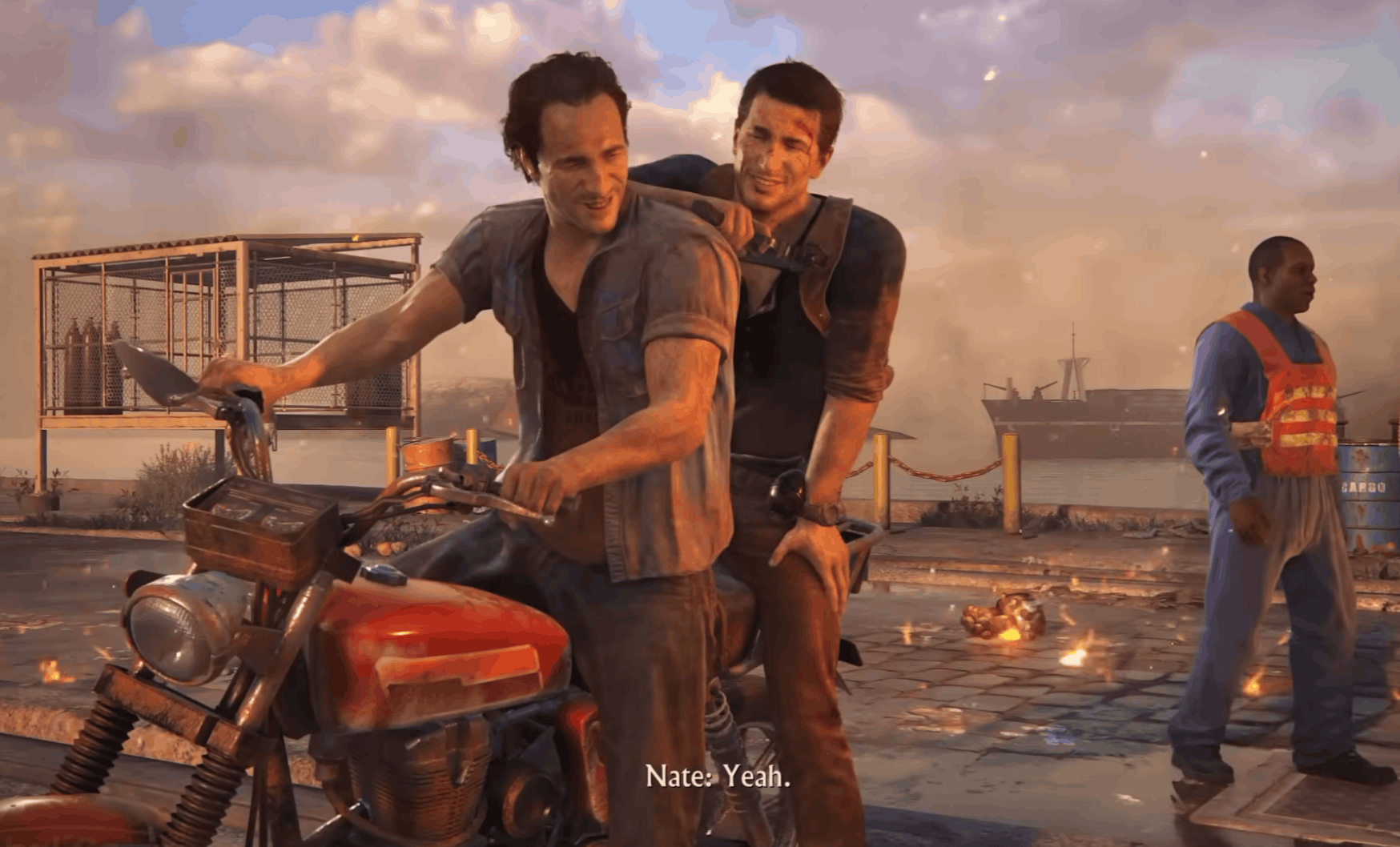
Nathan is hit by an armored vehicle. Trapped under a burning jeep, he must get out as quickly as possible. After a short sequence, Samuel arrives and together they begin to flee from the vehicle.
The pace reaches its highest level and the player must constantly shoot at the pursuing vehicle eventually destroying it.
conclusion
By exploring the parallels between music and level design, we uncover a practical framework for creating memorable, well-paced gameplay experiences. The structural elements of songs – verses, choruses, etc. – translate into the beats of levels, creating a dynamic rhythm that resonates with players.
This approach not only simplifies the design process, but also provides a natural progression that balances challenge and reward. And that’s just the beginning of the benefits.
proven structure Music has been with us since the dawn of time. Artists over thousands of years have developed a structure that enriches the story in a song and holds the listener’s attention.
intuitiveness and simplicity of implementation Based on the structure of a song, this method becomes extremely intuitive and easy to apply to the design process. Segmentation based on the song structure, allows you to create consistent but differentiated levels in a simple and effective way.
improved gameplay pace Just as a song takes the listener through a range of emotions – from a calm introduction to an energetic chorus – a level can use a similar structure to give the gameplay the right rhythm. Dynamics that alternate moments of tension with moments of relaxation keep the player interested and make levels more engaging and enjoyable to play.
versatility Based on music, it is possible to create levels that will work in different cultural contexts. Music is a universal language that can be understood by people all over the world, making its structure a starting point for designing levels that will reach a wide audience.
final thoughts
The subject is certainly endless. Song arrangements can vary greatly, which opens up even more opportunities for inspiration. The possibilities are as wide as the music we listen to and the levels we create.
If you’ve made it to the end, I’d like to thank you for your interest.
In addition, keep in mind that we’ve only focused on linear levels. I wonder how similar solutions would work in an open world. But that is a topic I will leave for another day.
Finally, I encourage you to listen to your favorite song. Imagine what a level built inspired by this song would look like.